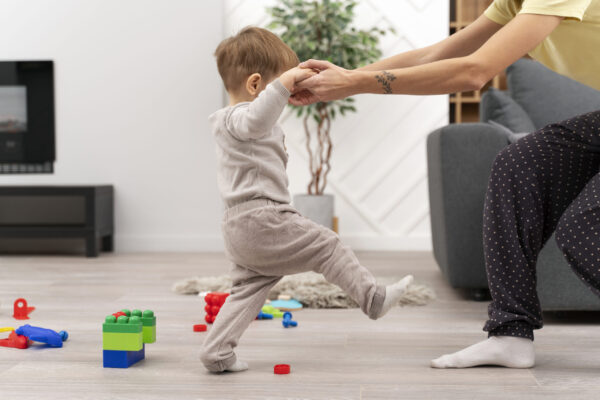
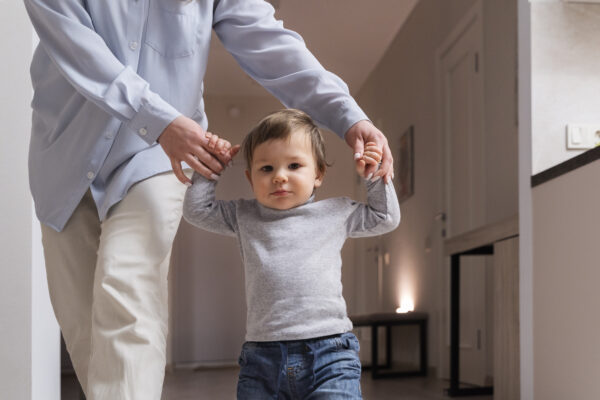
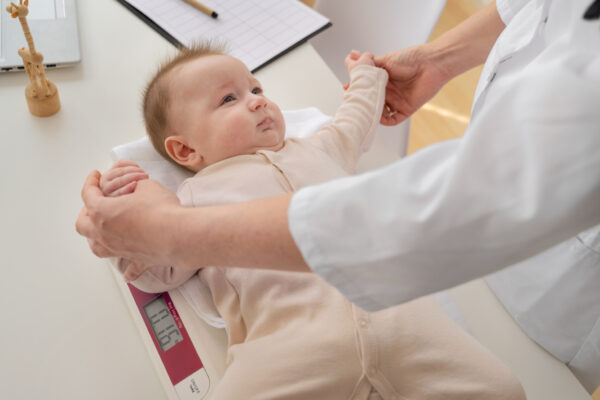
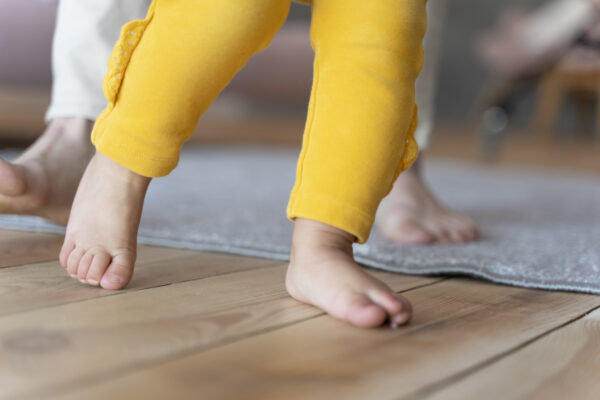
For a long time, neurodevelopment and manual therapy followed relatively separate paths within pediatric physiotherapy. On the one hand, there were approaches focused on movement and neuromotor organization. On the... read more →
For many years, the term “infant colic” was used almost automatically to describe any discomfort in the baby associated with crying, irritability, or difficulty calming down. However, international organizations have... read more →
In pediatric physiotherapy, we often arrive at the consultation looking for concrete answers: a motor difficulty, a developmental delay, a postural alteration, or a specific symptom that concerns the family.... read more →
There is a deeply rooted idea in healthcare: that treatment happens in the consultation room.However, when we talk about child development, this view is limited.A child spends one or two... read more →
In clinical practice, there are children who create a particular feeling: “something doesn’t quite fit.”They move, play, and even meet certain milestones, but they show subtle difficulties:◾ they trip frequently◾... read more →
In pediatric clinical practice, there is a scene that repeats itself frequently: families arriving with a specific concern — “he doesn’t turn his head,” “he trips a lot,” “he’s not... read more →
In recent years, few concepts have gained as much presence in clinical practice asneuromeningeal tension. For many professionals, it represents a key piece in understanding symptoms that were previously difficult... read more →
Children’s gait is an evolving process that reflects the maturation of the neuromotor system. Among the most frequent concerns in clinical consultations, internal rotation of the feet — commonly described... read more →
Congenital Muscular Torticollis (CMT) is one of the most common disorders in paediatric clinical practice, yet it is still approached far too often from a limited perspective. In many cases,... read more →
It is common for families and professionals to become concerned when a child walks on their toes.Traditionally, this behaviour has been associated with shortening of the calf muscles or the... read more →
Utilizamos cookies propias y de terceros para optimizar tu navegación, adaptarnos a tus preferencias y realizar labores analíticas. Si continuas navegando consideramos que aceptas nuestra Política de Cookies.
Privacy & Cookies Policy
Privacy Overview
This website uses cookies to improve your experience while you navigate through the website. Out of these, the cookies that are categorized as necessary are stored on your browser as they are essential for the working of basic functionalities of the website. We also use third-party cookies that help us analyze and understand how you use this website. These cookies will be stored in your browser only with your consent. You also have the option to opt-out of these cookies. But opting out of some of these cookies may affect your browsing experience.
Necessary cookies are absolutely essential for the website to function properly. This category only includes cookies that ensures basic functionalities and security features of the website. These cookies do not store any personal information.
Any cookies that may not be particularly necessary for the website to function and is used specifically to collect user personal data via analytics, ads, other embedded contents are termed as non-necessary cookies. It is mandatory to procure user consent prior to running these cookies on your website.