


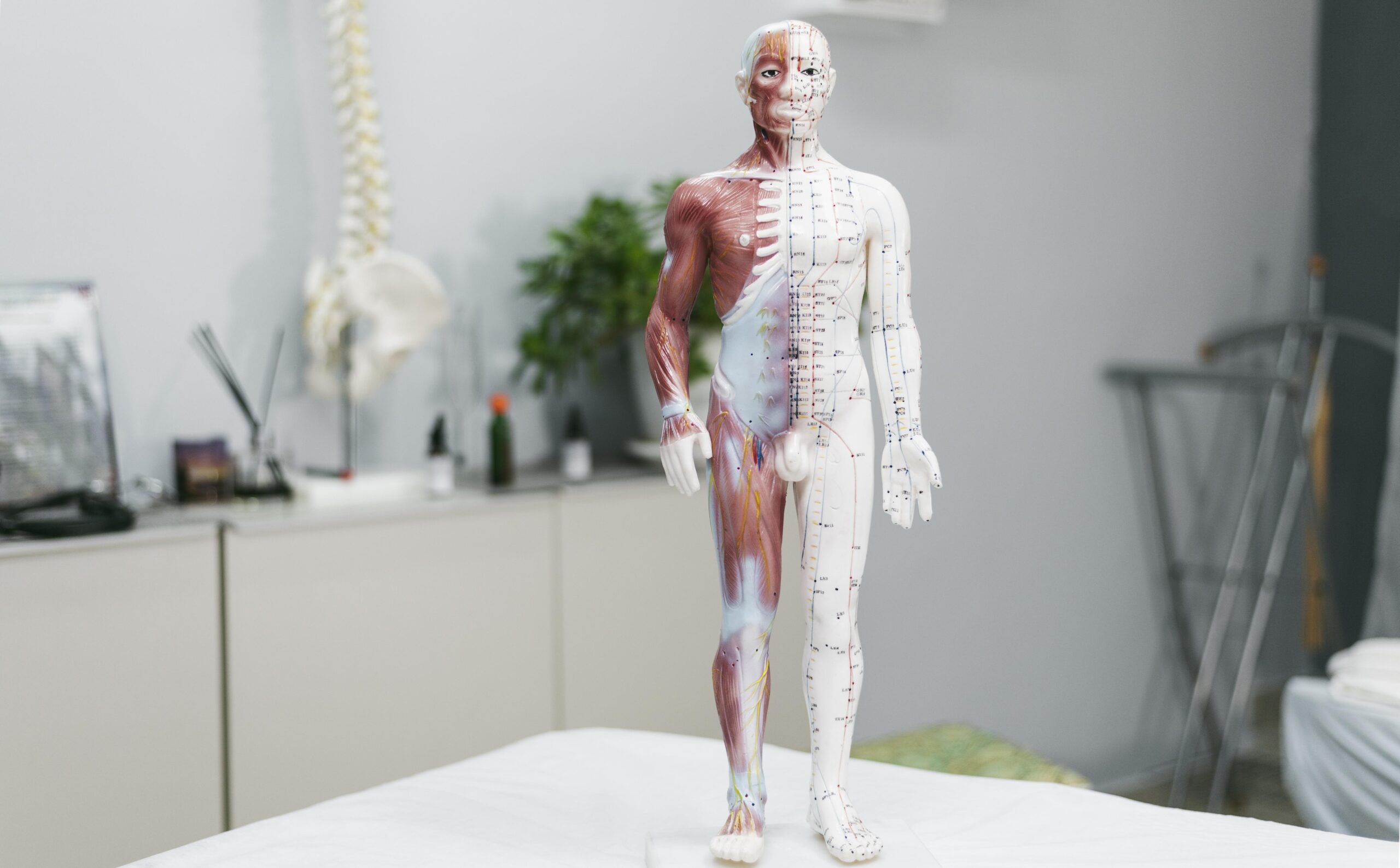
In physiotherapy, understanding the relationship between structure and function is key to designing effective treatments grounded in the anatomical and physiological logic of the body. This relationship is not just a theoretical concept: it has direct impacts on how we approach pathologies, plan goals, and communicate our clinical results to patients and colleagues.
The importance of structure–function in clinical practice
The concepts of structure and function are reflected in every evaluation and treatment we carry out. Knowing which structures are involved and how they should function allows us to:
- Analyze compensatory and dysfunctional patterns.
- Detect movement limitations related to anatomical and biomechanical alterations.
- Set realistic and functional therapeutic goals.
- Integrate strategies that do not merely correct a symptom, but promote sustainable changes in the patient’s overall function.
This approach is particularly useful when working with complex populations, chronic patients, or situations that require in-depth movement analysis.
Plagiocephaly: from concept to practice
An excellent example of how structure and function intersect is the management of positional plagiocephaly in infants. This condition, characterized by asymmetries in skull shape and postural alterations of the neck, can have functional implications if it is not detected and addressed early. Factors such as repeated positioning or the presence of torticollis are closely linked to cranial and cervical biomechanics, and their evaluation requires an integrated understanding of applied anatomy and the function of the developing musculoskeletal system.
To support your clinical approach to plagiocephaly and facilitate family education, consider incorporating digital support tools that enable follow-up and guided exercises outside the clinic:
 Recommended app for plagiocephaly support:
 https://headshape.app/
These types of resources can improve adherence to the treatment plan and enhance outcomes by integrating clinical intervention with home-based practice.
How to apply this approach in your treatments
- Always assess structure first: observe alignments, asymmetries, and anatomical restrictions.
- Relate it to function: ask yourself which movements or patterns are influenced by those structures.
- Integrate evidence and tools: such as the video we shared, up-to-date literature, and complementary applications.
With this framework, your treatments will not only be more precise, but also more effective and easier to understand for those receiving them.
Comments are closed.