Flat feet is a common concern for families and continues to be a debate in the health field. The foot is made up of several arches, but the one we...
read more → Don't you think that in recent years we have had an epidemic of short lingual frenulum? Looking for information in this regard, it turns out that there are texts from...
read more → 25% of babies without neurological damage have suction-swallowing problems (LaMantia et al. 2016). It is a figure not negligible. In addition, 80% of children with developmental disorders present these difficulties....
read more → When we take care of a child with developmental problems, motor coordination problems or attention problems, it is not all about assessing balance. Yes, it is true that poor neurological...
read more → If there is one thing that I love about my job as a teacher and researcher, it is to build bridges. We have developed many areas of knowledge isolated from...
read more → One of the challenges that physiotherapists have in many countries is the objective, measurable and comparable assessment of what we observe in patients. Multiple evaluation scales have been developed and...
read more → In PIMT (Pediatric Integrative Manual Therapy) we observe the crying syndrome, colic, from a very integrated focus. It could not be otherwise. We are aware of the great influence of...
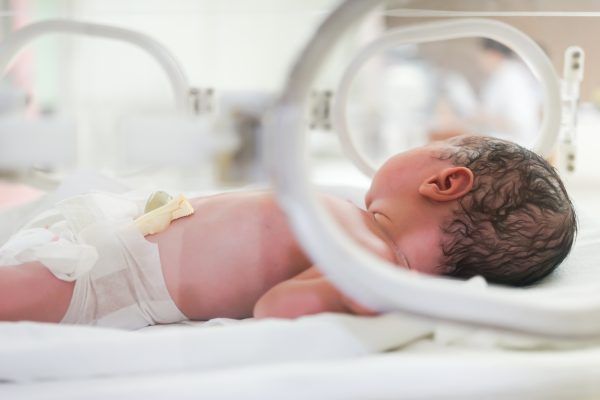
read more → There are some disadvantages to being born prematurely. One of the most obvious is the difficulty of correct nutrition when breast feeding. In fact, premature babies present a particular immaturity...
read more → Normally I comment on books that have had a positive impression on me. Books that have helped me discover something new and interesting or even torn apart my own beliefs....
read more → The influence of function on structure is obvious in many examples and in very different parts of the body. Breathing becomes even more important. We know that it is important...
read more →« Previous Page — Next Page »