


This course delivers what general training left out: how to safely assess and treat orofacial function from the first month of life. You will learn to perform manual interventions on the cranium, face, tongue, and jaw, seamlessly integrating musculoskeletal structure with neurodevelopment.
In addition, you will learn how to guide families, detect red flags, and work closely within a multidisciplinary team. Because without well-organised orofacial function, optimal breastfeeding, airway health, and overall development are impossible.
Specialized Course
Orofacial and lactation physiotherapy
Confident, safe assessment and intervention for infant sucking, swallowing, and breathing difficulties, seamlessly integrating craniofacial structure, function, and neurodevelopment.
By Davinia Cobos

TRAIN NOW!
BLENDED LEARNING MODE
Where can you do this training? Check dates and prices here
VIEW PLANS, DATES & PRICING
When difficulties arise, the bottle is the only option left... That is simply not true
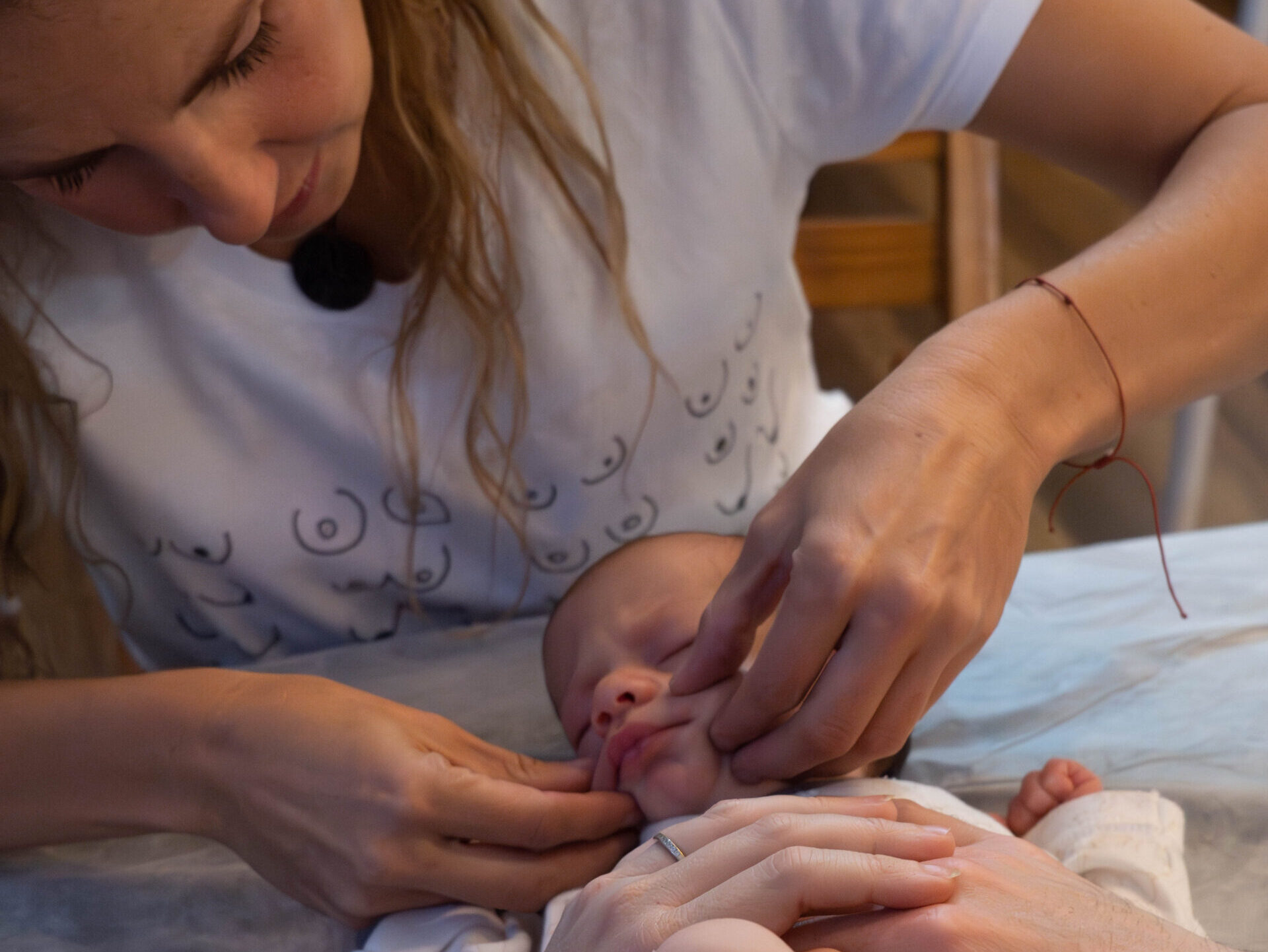
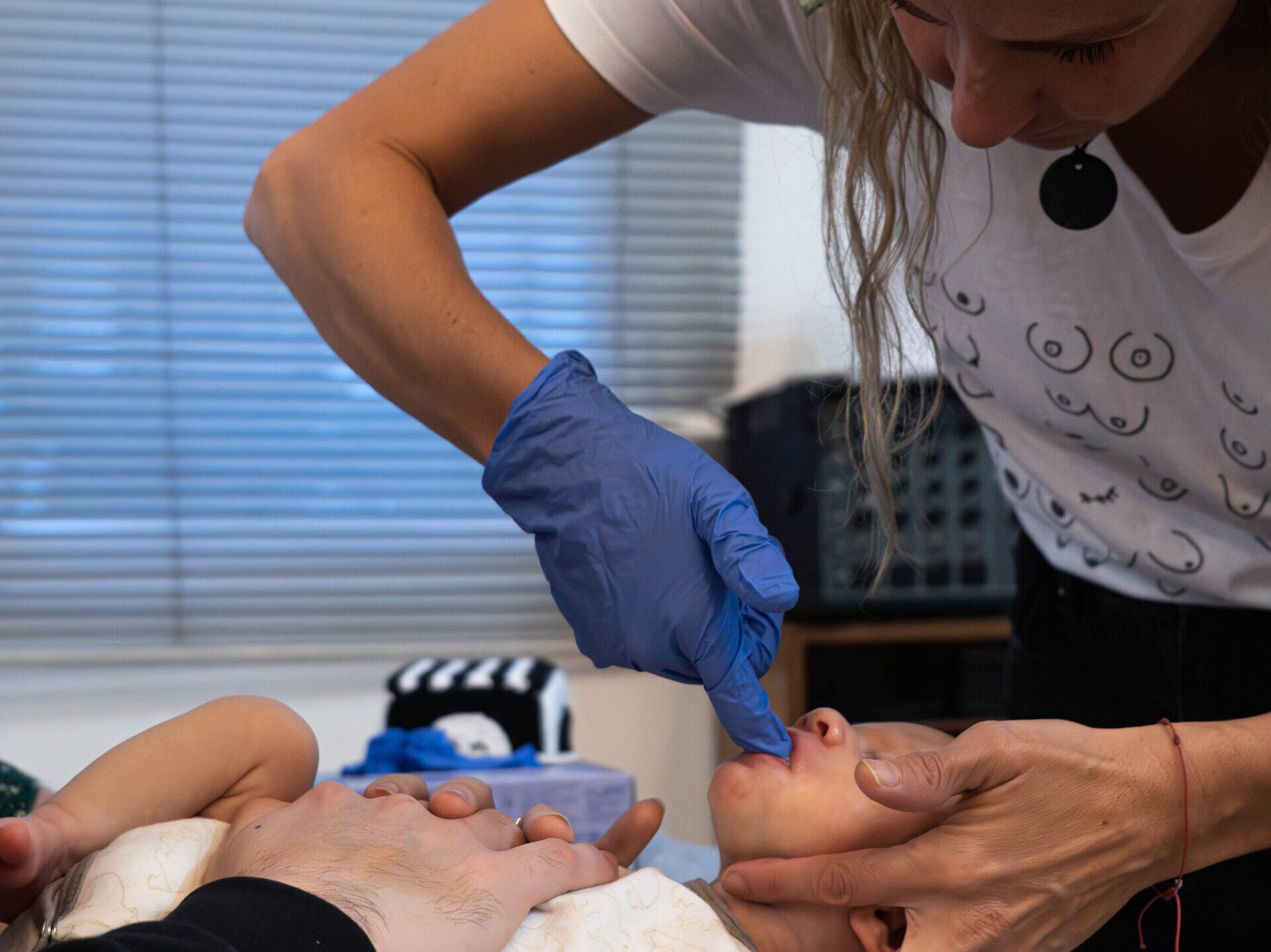
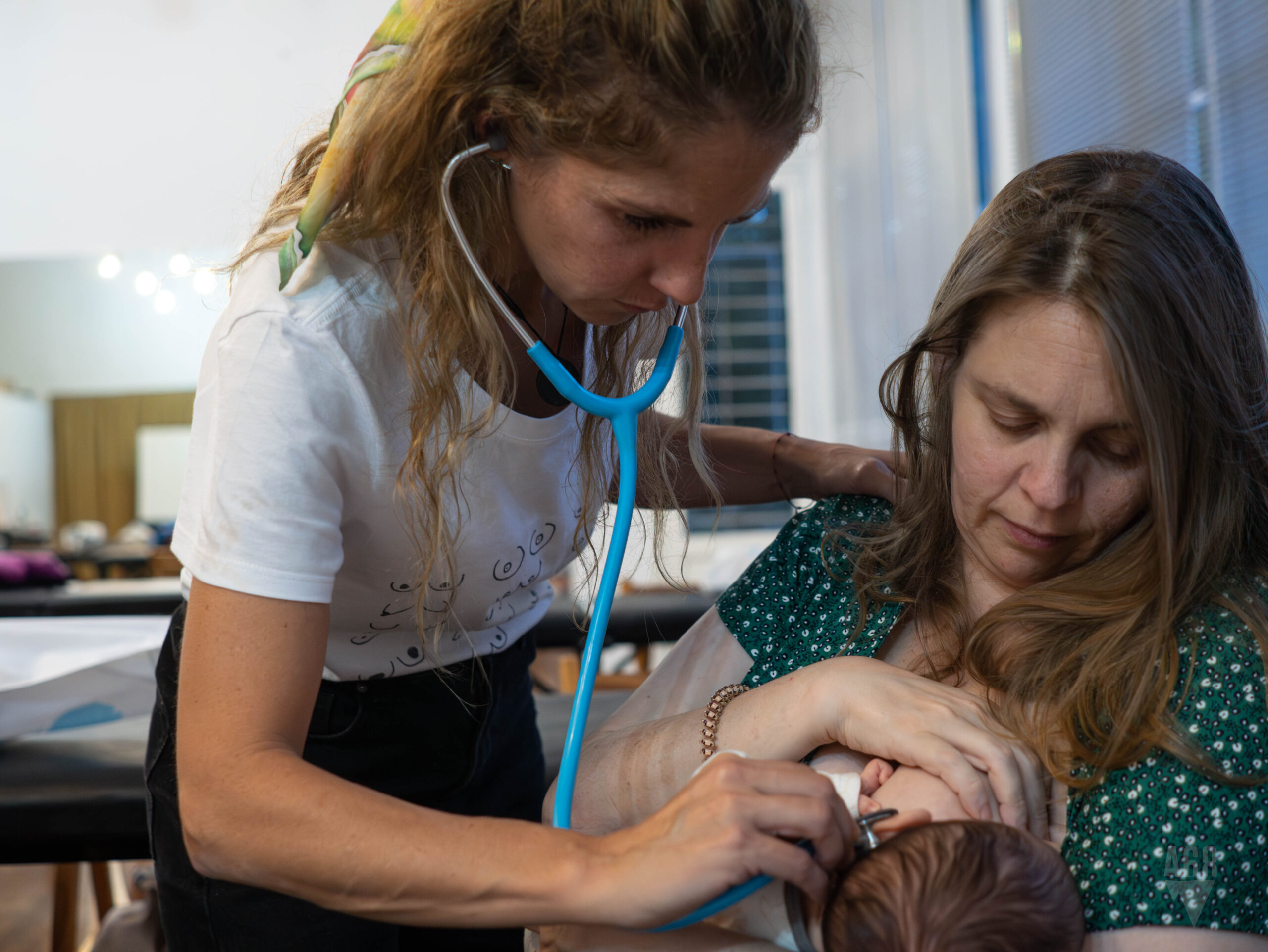
Elevate Your Clinical Reasoning.
Intervene with Confidence.
Structural & Functional Assessment
Accurately identify which structural limitations and functional dysfunctions are interfering with infant sucking, swallowing, or nasal breathing.
Connecting Clinical Findings
Master how to link ankyloglossia (tongue-tie), craniofacial growth, oral dysfunctions, and axial postural control within a single, integrated clinical reasoning process.
Targeted Clinical Reasoning
Apply precise clinical reasoning to select craniofacial manual techniques and neurosensorimotor strategies tailored specifically to the real, individual needs of each infant.
Supporting the Family
Guide families with clarity and confidence, accurately identify clinical red flags, and lead interprofessional case coordination to optimize infant health and developmental outcomes.
LOCATIONS & DATES

Davinia Cobos Montoya
Physiotherapist. PhD in Health and Sport Sciences.
Master’s Degree in Breastfeeding.
Neonatal Dysphagia Specialist (NICU & Prematurity). Expert in Ankyloglossia.
DO in Osteopathy.
International Faculty, Pediatric Integrative Manual Therapy (PIMT).


What is the blended learning format like?
With this format, each seminar is structured into 3 core teaching blocks:
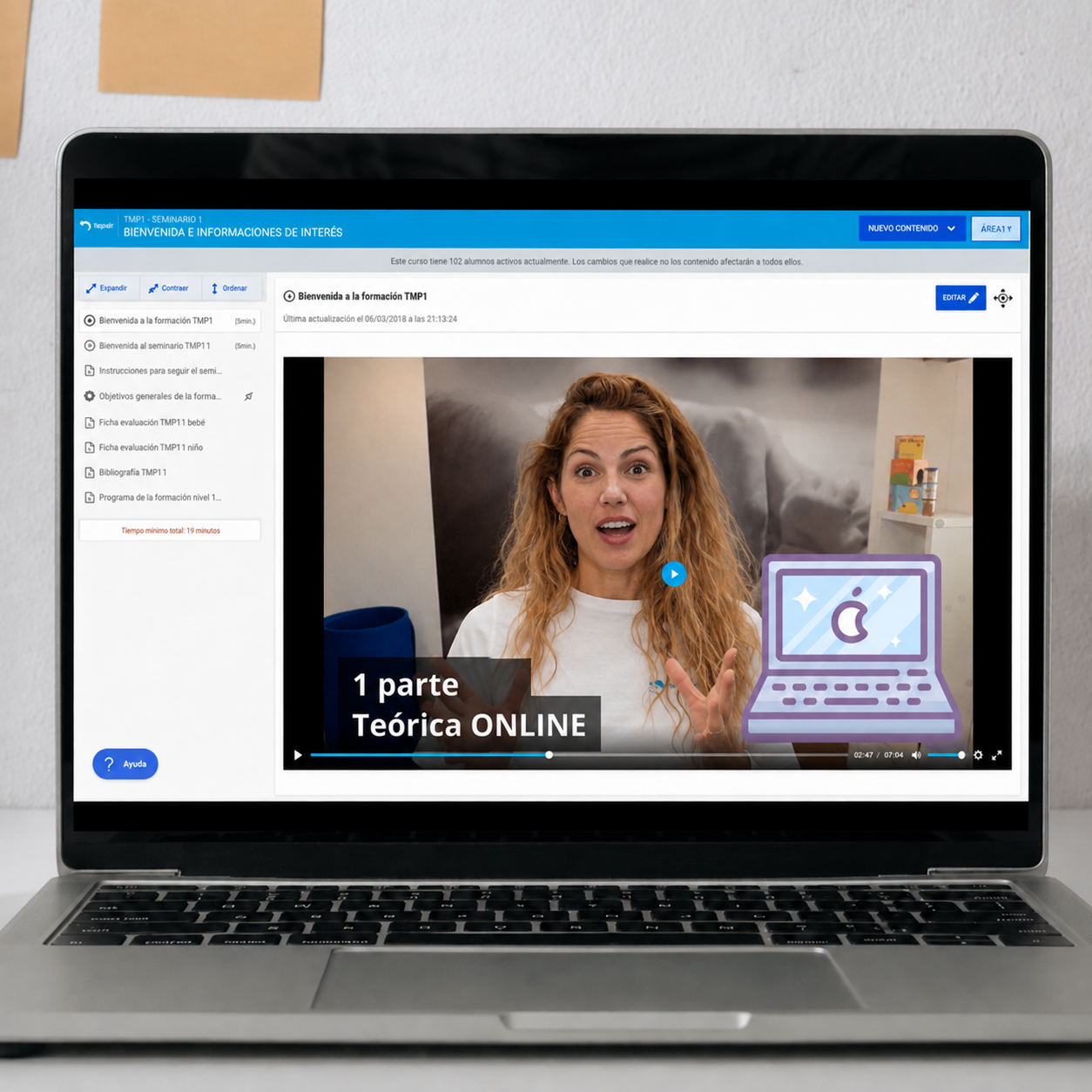
Block 1
ONLINE PLATFORM
Flexible online theory modules. Self-paced asynchronous learning.
Block 2
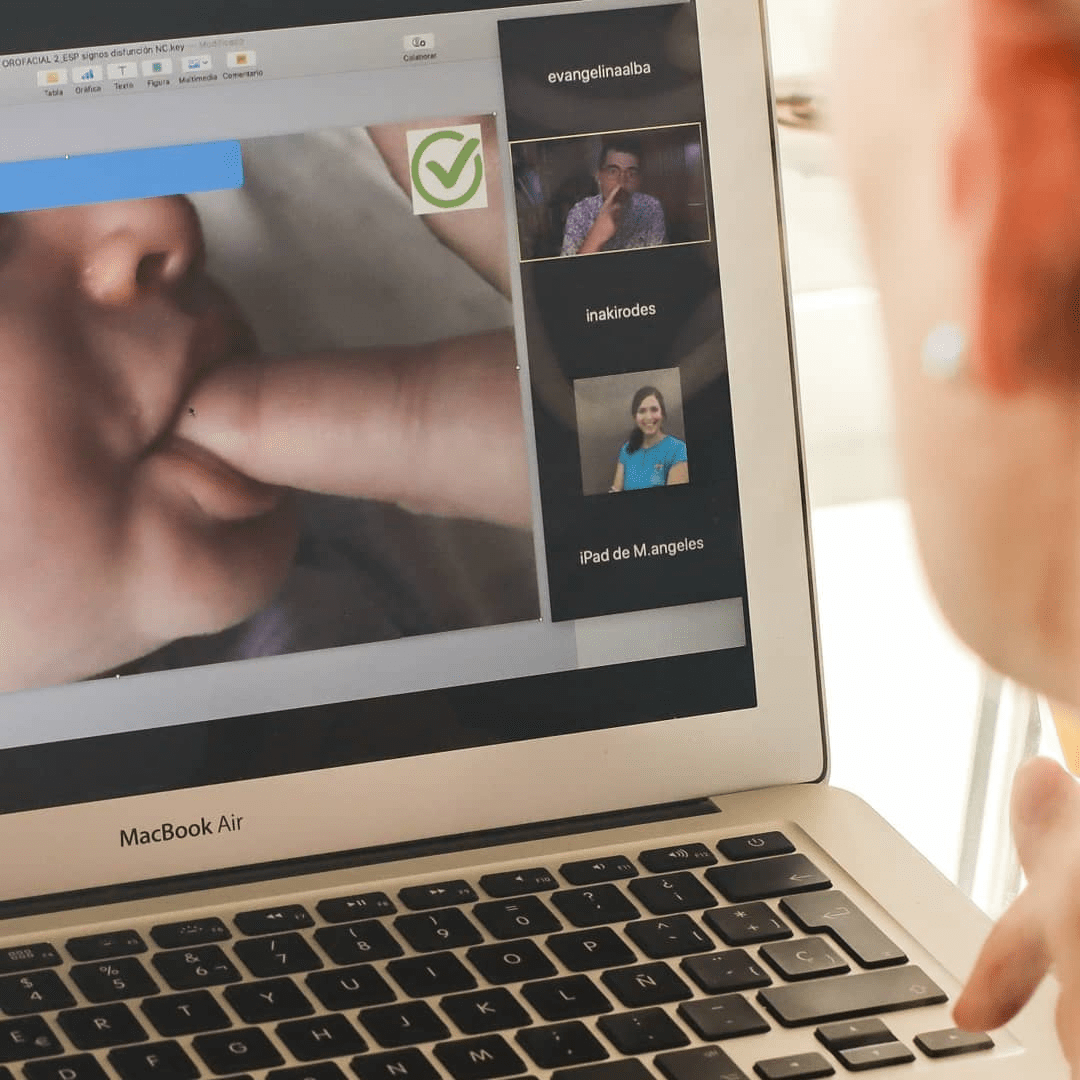
LIVE WEBINAR
Interactive online theory modules. Live online sessions via Zoom.
Block 3
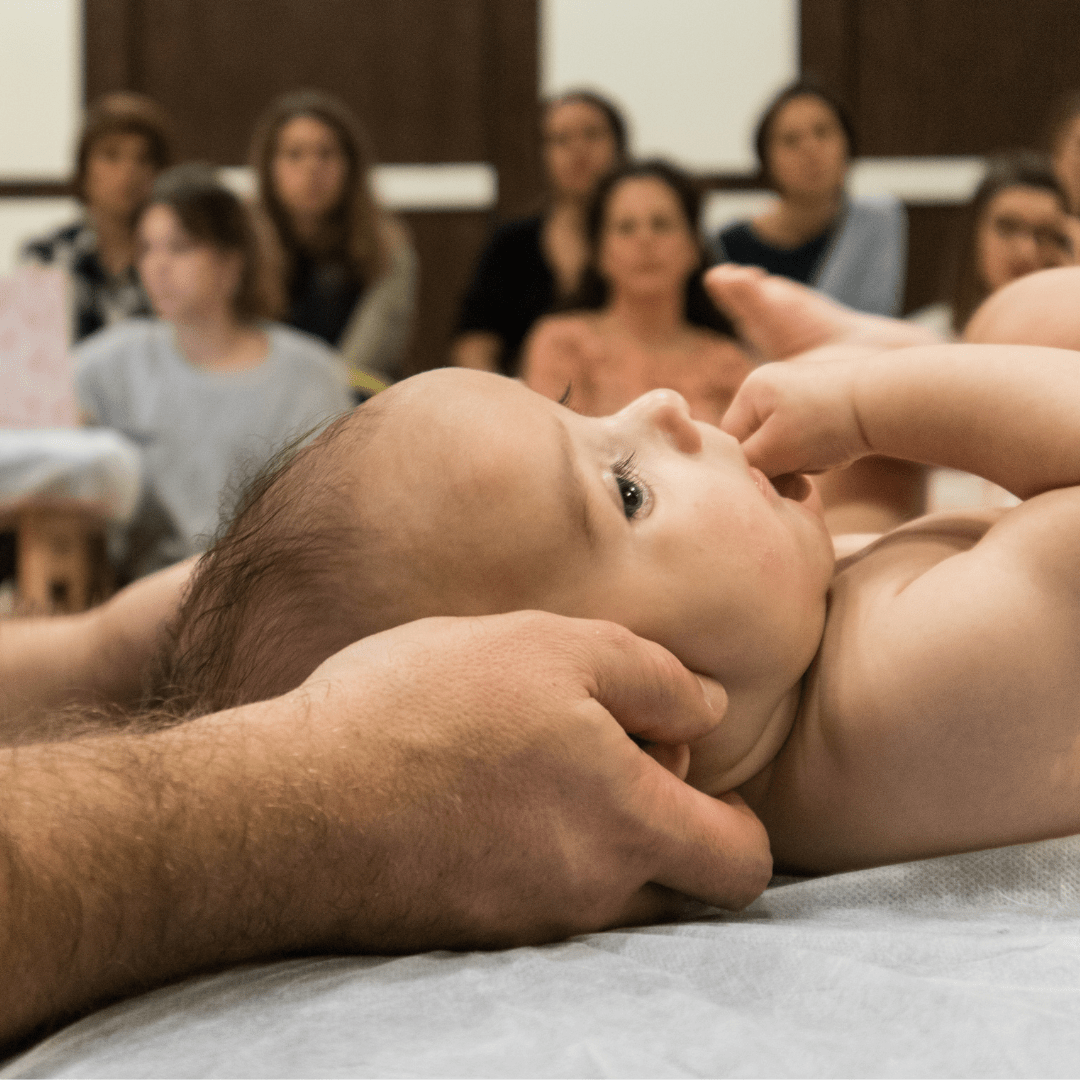
IN-PERSON TRAINING
Hands-on in-person training.
What do healthcare professionals think of the programme?
Valentina Sereno


An incredible approach to guiding children and their families. It has completely transformed how I approach my daily clinical practice.
Nancy Basovnik
It opened my eyes to a much broader understanding of the face and neck, as well as their vital importance in breastfeeding.
Amanda Ferreira Rosa
It significantly broadened my perspective on the full range of treatment possibilities for the tongue and jaw.
Elisabet Lorincz
I am leaving with new clinical tools that add immediate value to my day-to-day practice. I feel far more confident when advising families.
Carolina Piriz
I continue to integrate rich, highly valuable knowledge into my daily practice. PIMT never ceases to amaze me with its unique, highly practical approach to holistic patient care.
María Laura Iriarte
I discovered a conceptual framework that will help me immensely; my only regret is not having taken this training sooner!
Valentina Saporiti
Beyond the high academic standard of the content, I always take away a deeper mastery of clinical reasoning—which is essential for treating our patients, given their complex, multifactorial nature.
Barbara Maria Padua Fleury
I came here seeking solutions to clinical challenges where I felt my knowledge was lacking. I am returning home fully energised, equipped with rich clinical insight, and having gained far more than I ever expected.
Explore and enrol in our training programmes

VIANA DO CASTELO
OPEN REGISTRATION
Orofacial and lactation physiotherapy
ACCESS FROM: 14/11/24
IN-PERSON: September 17 to 21
PLACE: Axis Viana Business & Spa Hotel (Viana do Castelo)
ORGANIZE: Montriviana – Montriescola – Clínica de Motricidade, Saúde e Bem-estar

BUENOS AIRES
OPEN REGISTRATION
Orofacial and lactation physiotherapy
ACCESS FROM: 01/12/25
IN-PERSON: March 14 to 18 2026
PLACE: to confirm
ORGANIZE: TMPI Argentina

SÃO PAULO
OPEN REGISTRATION
Orofacial and lactation physiotherapy
ACCESS FROM: 15/12/25
IN-PERSON: March 20 to 24 2026
PLACE: Rooftop Alphaville Campinas (São Paulo)
ORGANIZE: TMPI Brasil

ROMA
OPEN REGISTRATION
Orofacial and lactation physiotherapy
ACCESS FROM: 09/04/26
IN-PERSON: June 09 to 13 2026
PLACE: Polo Didattico (Roma)
ORGANIZE: PhisioVit

MONTREAL
OPEN REGISTRATION
Orofacial and lactation physiotherapy
ACCESS FROM: 20/07/26
IN-PERSON: October 05 to 09 2026
PLACE: to confirm
ORGANIZE: Universidad de Montreal

KATOWICE
COMPLETE
Orofacial and lactation physiotherapy
ACCESS FROM: 18/09/26
IN-PERSON: November 18 to 22 2026
PLACE: to confirm
ORGANIZE: BabySpot Justyna Gierlotka

ZARAGOZA
OPEN REGISTRATION
Orofacial and lactation physiotherapy
ACCESS FROM: 30/10/26
IN-PERSON: January 20 to 24 2027
PLACE: Hotel NH Ciudad de Zaragoza (Zaragoza)
ORGANIZE: TMPI Internacional
Course Programme
THE PIMT CONCEPT & OROFACIAL FRAMEWORK
- Conceptual Foundations of the PIMT Approach.
- Intervention Models in Healthcare.
- Evidence-Based Practice (EBP).
- The PIMT Paradigms.
CRANEOFACIAL ANATOMY & BIOMECHANICS
- Neurocranium & Viscerocranium Integration.
- Neurocranium:
- Cranial base.
- Cranial vault.
- Intracranially active membranes.
- Viscerocranium (Facial Complex):
- Orbital cavity.
- Nasal cavity and paranasal sinuses.
- Oral cavity.
- Jaw (mandible).
- Dentition.
- The Aerodigestive Tract:
- Pharynx.
- Larynx.
- Structural relationships between the cervical spine and the oropharyngeal region.
- Applied Myology:
- Facial expression and masticatory muscles.
- Tongue dynamics and hyoid musculature.
- Pharyngeal and laryngeal muscular synergies.
DEVELOPMENT OF AEROFACIAL STRUCTURES & FUNCTIONS
- Factors Driving Optimal Orofacial Growth.
- Orofacial Growth & Development:
- Maturation of the neurocranium.
- Maturation of the viscerocranium.
- Mandibular and dental development.
- Pharyngeal, and laryngeal development.
- Evolution of Orofacial Function:
- Prenatal orofacial reflexes and motor patterns.
- Infant feeding and suck-swallow mechanics.
- Childhood orofacial function and transition to solid feeding.
- Pathological Anatomical Variations.
PHYSIOLOGY OF OROFACIAL FUNCTION & ACTIVITY
- Primitive Nutritive Reflexes.
- Airway Protective Reflexes.
- Sucking Physiology (immature).
- Sucking Physiology (mature).
- Swallowing Mechanics: Pharyngeal phase coordination in infants.
- Swallowing Mechanics: Pharyngeal phase coordination in older children.
- Chewing & Mastication.
- Speech Articulation.
THE MATERNAL FACTOR IN BREASTFEEDING
- Anatomy of the Lactating Breast.
- Breastfeeding Physiology:
- Neural regulation and neuroendocrine pathways.
- Lactogenesis stages.
- Maternal Milk Composition: Guest lecture with Dr Rocío Alonso Plaza (PhD in Food Technology, Clinical Nutritionist).
- Maternal Pathologies & Clinical Conditions:
- Anatomical variants impacting latch and milk transfer.
- Hypogalactia and hypergalactia management.
- tructural breast and nipple conditions (engorgement, mastitis, ductal blockage).
- Key Clinical Interventions for the Mother:
- Breast compression techniques to facilitate milk flow.
- Breast decongestion protocols and lymphatic drainage strategies.
- Milk expression.
- Lactation stimulation.
ANKYLOGLOSSIA
- Embryology, Anatomy & Physiology of the Lingual Frenulum.
- Clinical Overview of Ankyloglossia:
- Clinical overview of ankyloglossia.
- lassification, presentation, and functional impact.
- Associated oral and muscular dysfunctions.
- Diagnostic keys and clinical examination.
- Validated Assessment Tools:
- Martinelli Protocol & Screening Tool.
- Assessment Tool for Lingual Frenulum.
- Function (ATLFF) Hazelbake.
- Bristol Tongue Assessment Tool (BTAT).
- Surgical Interventions for Ankyloglossia: Guest lecture with Dr Victoria Jiménez Crespo (Paediatric Surgeon).
OROFACIAL DYSFUNCTIONS & AIRWAY MECHANICS
- Mouth Breathing & Upper Airway Resistance:
- Nasal and oral anatomical factors driving mouth breathing.
- Upper Airway Resistance Syndrome (UARS): Biomechanical causes and clinical presentation.
- Specific assessment frameworks for paediatric airway restrictions.
- Advanced clinical reasoning for intervention planning.
- Oropharyngeal Dysphagia & Swallowing Disorders:
- Risk factors in infant feeding and swallowing disorders.
- Specific screening and clinical assessment batteries.
- Advanced clinical reasoning for safe therapeutic decision-making.
CLINICAL & DIAGNOSTIC RESOURCES
- Validated Breastfeeding & Infant Feeding Tools.
- Ankyloglossia Assessment & Clinical Toolkits:
- Objective clinical assessment tools (Martinelli, ATLFF, BTAT).
- Parent and family questionnaires.
- Objective clinical recording sheets and documentation templates.
- Diagnostic examination materials and clinical kits.
PAEDIATRIC OROFACIAL PHYSIOTHERAPY INTERVENTIONS
- Respiratory physiotherapy management in orofacial and upper airway dysfunctions.
- 10-Step Clinical Protocol for Re-educating Nasal Breathing in Mouth Breathers.
- Physiotherapy interventions targeting the neuromusculoskeletal framework.
- Gentle and safe craniofacial manual techniques.
- Neuromeningeal and neural mobilisation techniques.
- Targeted interventions for intracranially active membranes and cranial fascial restrictions.
- Neurosensorimotor strategies for orofacial functions and daily activities.
- Olfactory development and sensory re-education protocols.
- Tactile stimulation protocols and sensorimotor re-education for preterm infants, babies, and young children.
- Family guidance and home program recommendations.
- Environmental adaptations (surfaces, ergonomics, and infant habits).
FAMILY EDUCATION & CLINICAL DISCHARGE MATERIALS
- Patient & Family Information Leaflets (Brochures & Tri-folds).
- Clinical Infographics & Visual Home Care Guides.
- Official Recommendation Documents & Family Education Handouts.