


Let’s face reality: these are common symptoms, but they can be notoriously difficult to resolve. Do you feel confident you can achieve real, long-lasting results?
You are not alone. These conditions are frequent, complex, and often poorly addressed.
Get ready for a completely different perspective. The oculomotor system, the cervical spine, and the vestibular system work as an integrated unit. It is only by understanding this deep connection that you can intervene with real clinical impact.
You will learn how to manually assess and treat the eyes, the cervical spine, and their functional integration. This training has transformed the way hundreds of colleagues view physiotherapy, and they all share the same feedback: “It completely opened my mind.”
Specialized Course
Manual therapy in the oculomotor system
SEMINAR 1. Advanced techniques for headaches and balance disorders
By Iñaki Pastor
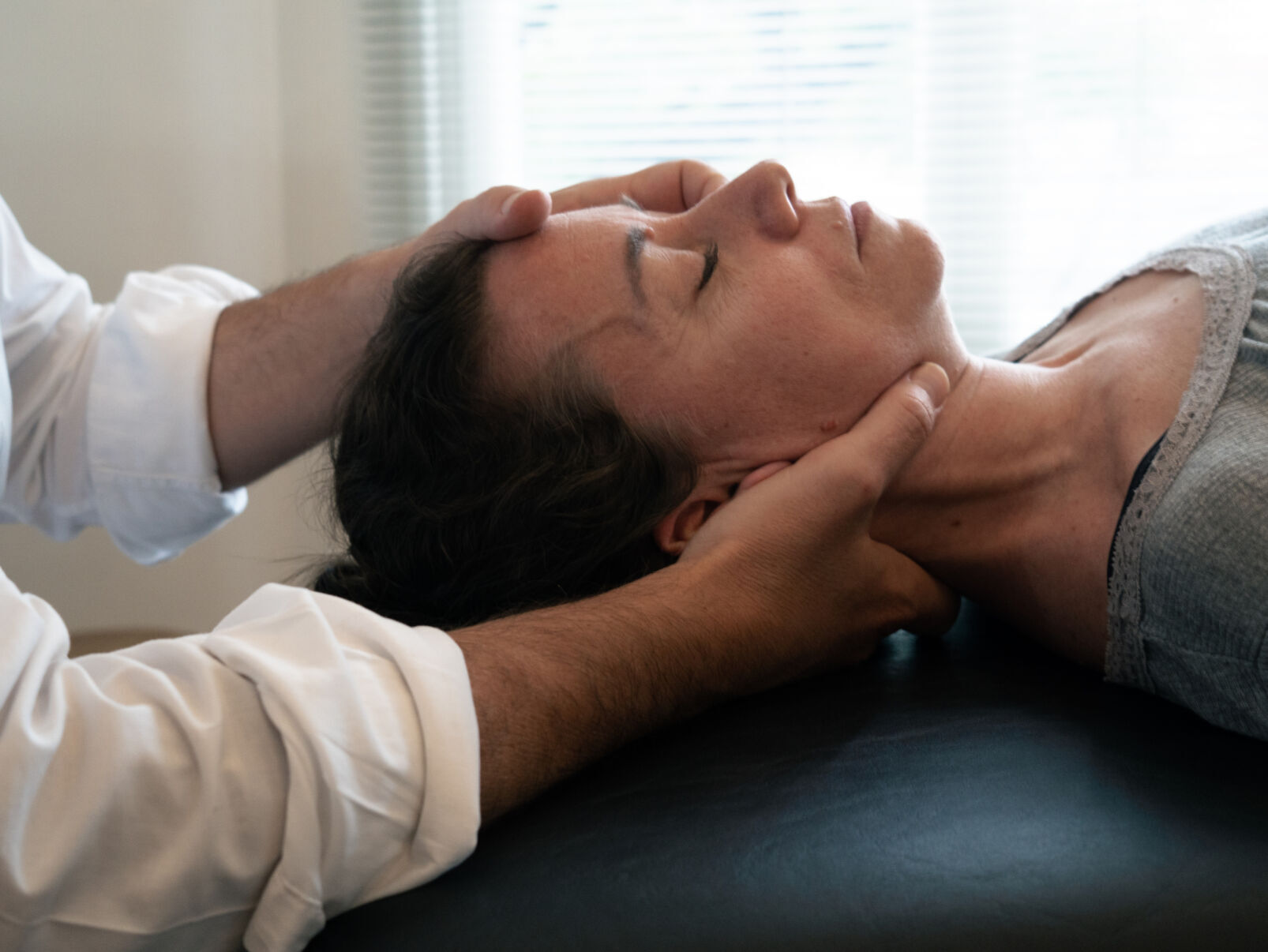
Imagine a patient comes in with headaches or balance problems and you know what to do
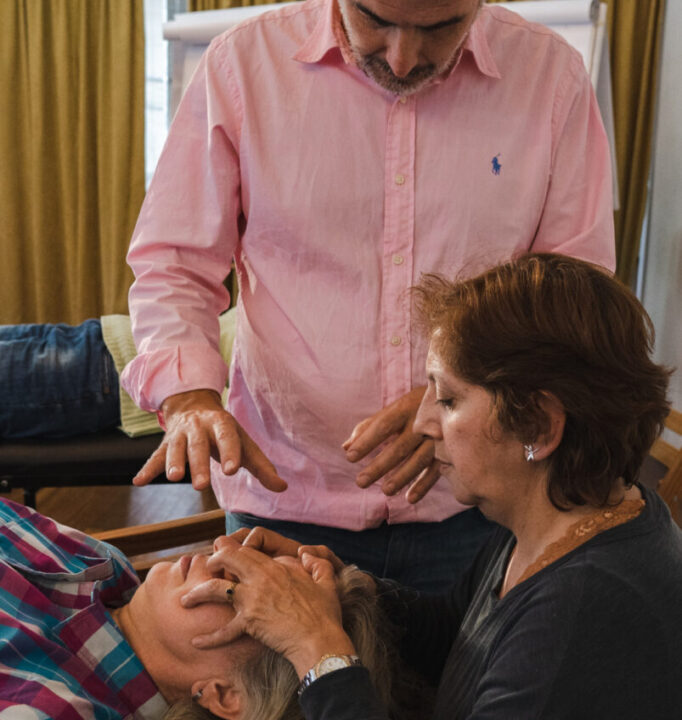
What makes this training unique?
What you will master
Evaluate the cervico-ocular complex using solid clinical reasoning.
What you will learn
Manual therapy techniques for the eyes, cervical spine, and cranium.
What you will achieve
Treat headaches, vertigo, and balance disorders safely and confidently.
What you will understand
The profound link between vision, posture, attention, and pain.

Iñaki Pastor Pons
Expert in craniofacial manual therapy.
Specialist in paediatrics and neurodevelopment. Faculty member for the Postgraduate Expert Programme in Craniocervical-Mandibular Disorders and Orofacial Pain at the European University of Madrid. Author of the book “Manual Therapy in the Oculomotor System” (2nd Edition, Elsevier). Researcher, international speaker, and PIMT faculty member.


What is the blended learning format like?
With this format, each seminar is structured into 3 core teaching blocks:

Block 1
ONLINE PLATFORM
Asynchronous online content for flexible distance learning.
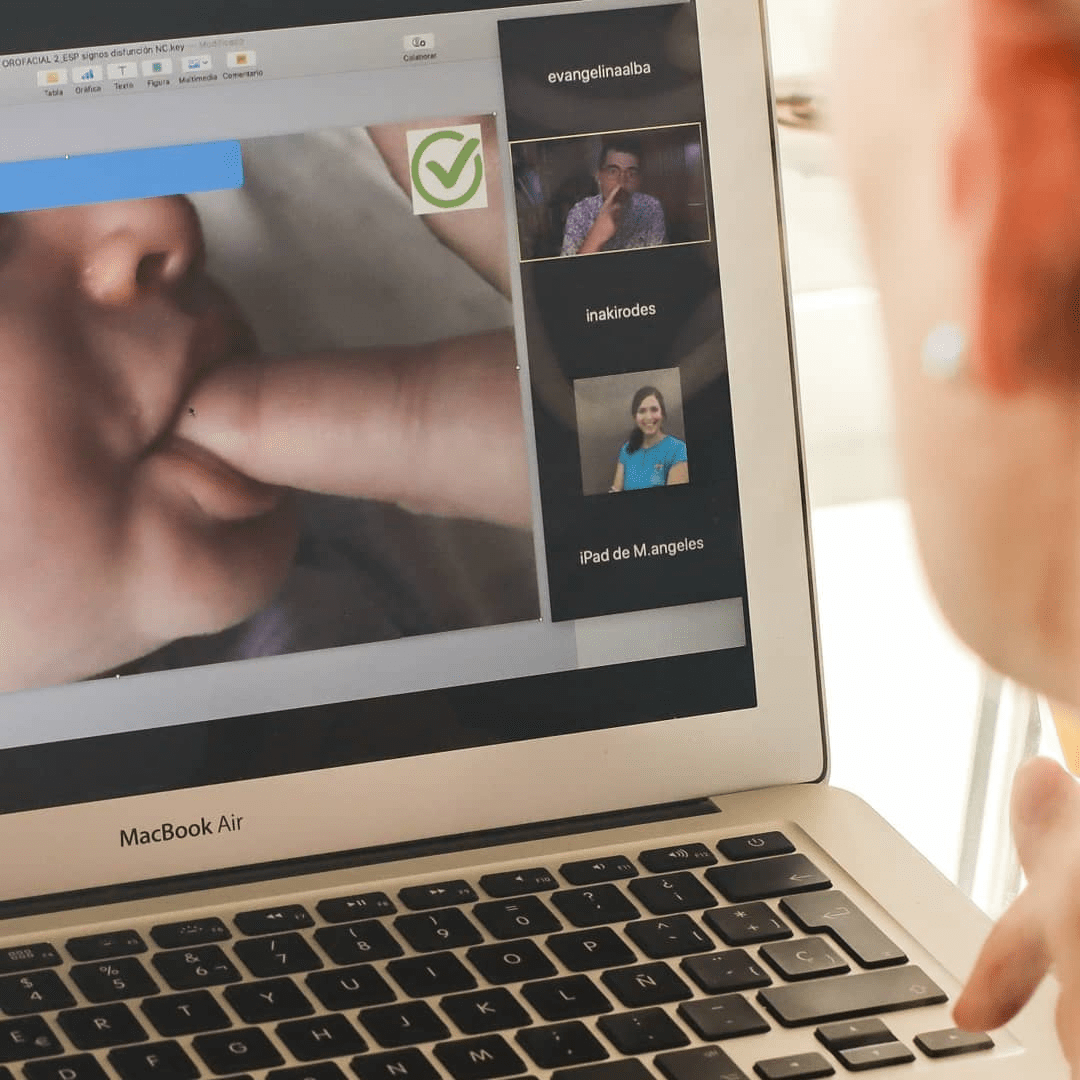
Block 2
LIVE WEBINAR
5 hours of interactive theoretical training delivered live via Zoom.
Block 3
IN-PERSON TRAINING
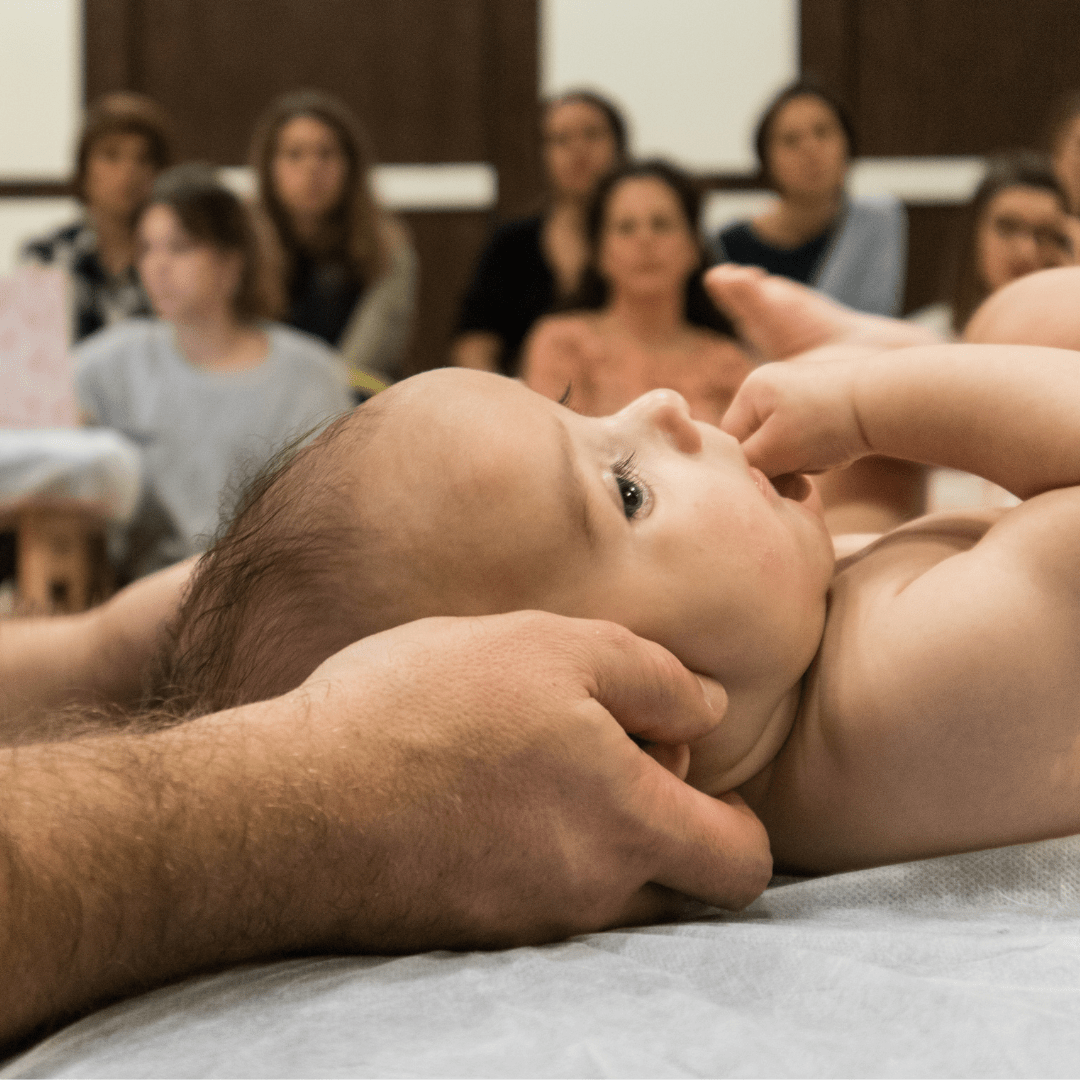
36 hands-on in-person hours.
What do healthcare professionals think of the programme?
Sergio Recchia


The course was excellent. Through his expertise, knowledge, and passion, Dr. Iñaki Pastor enabled me to fully understand the cervico-ocular system and its therapeutic applications for both children and adults. The course allowed me to integrate a key component into my clinical reasoning and gain an essential perspective on the relationship between eyes and neck — indispensable for interpreting symptoms that are often overlooked.
Beatrice Roda

A wonderful training course, detailed and carefully designed in every aspect. The teacher — SUPER!
Caterina Passarielli

Iñaki is an instructor who explains complex concepts with remarkable clarity and ease. The course was exceptionally engaging; it expanded my professional skills in a complex and delicate area while consistently inspiring new ways to grow as a physiotherapist. I highly recommend this training.
David Frédérick

This course has been a game-changer for my practice when working with patients suffering from headaches/migraines, dizziness, orofacial symptoms, fatigue (both ocular and general), balance disorders, and other concussion-related issues (such as brain fog or speech difficulties). The programme provides a concrete, user-friendly framework for clinical assessment.
Giorgia Verdecchia

Federica Santoli

A very well-structured and organized course that opens up a new world rarely addressed in physiotherapy. I’m sure it will change my clinical practice, just as all TMPI courses have done.
Emma Amato

An outstanding course delivering high-value knowledge with guaranteed clinical efficacy.
Francine Couture

Exceptional training with a genuinely integrative and effective approach. Ever since taking this course, I systematically assess the different systems—vestibular, cranial, cervical, and oculomotor—in cases involving headaches, vertigo, neck pain, and even herpes zoster affecting the facial and vestibular nerves. The outcomes are impressive and, at times, truly spectacular. Adding oculomotor system intervention to the other systems makes a world of difference. I highly recommend this course.
Silvia Iezzi

David Mercanti

An exceptional course that changes the way you approach the problem. Highly recommended.
Francine Girard

In my private practice, I regularly treat patients with mild cognitive impairment (MCI) or various vestibular disorders. Despite making good progress, some patients continue to experience residual symptoms, such as dizziness during quick movements or persistent headaches. Training in oculomotor therapy allowed me to deepen my clinical knowledge and integrate fresh perspectives into my treatment plans. Thanks to these new techniques, I can now better support my patients through clinical plateaus and enhance their quality of life.
Sabrina Perron-Singh

This course opened up a whole new realm in my practice, giving me a clearer understanding of my patients’ symptoms and enabling me to deliver more comprehensive rehabilitation. I highly recommend this training!
Explore and enrol in our training programmes

SEVILLA
OPEN REGISTRATION
Manual therapy in the oculomotor system. SEMINAR 1
ACCESS FROM: 17/11/25
IN-PERSON: December 17 al 21
PLACE: to confirm
ORGANIZE: Grupo Fysio

BUENOS AIRES
OPEN REGISTRATION
Manual therapy in the oculomotor system. SEMINAR 1
ACCESS FROM: 03/06/26
IN-PERSON: July 08 to 12 2026
PLACE: to confirm
ORGANIZE: TMPI Argentina

SÃO PAULO
OPEN REGISTRATION
Manual therapy in the oculomotor system. SEMINAR 1
ACCESS FROM: 11/06/26
IN-PERSON: July 21 to 25 2026
PLACE: Rooftop Alphaville Campinas (São Paulo)
ORGANIZE: TMPI Brasil

MONTREAL
OPEN REGISTRATION
Manual therapy in the oculomotor system. SEMINAR 1
ACCESS FROM: 28/08/26
IN-PERSON: September 28 to 30, October 1 and 2 2026
PLACE: to confirm
ORGANIZE: Universidad de Montreal

ROMA
OPEN REGISTRATION
Manual therapy in the oculomotor system. SEMINAR 1
ACCESS FROM: 05/11/26
IN-PERSON: December 09 to 13 2026
PLACE: Polo Didattico (Roma)
ORGANIZE: PhisioVit
ZARAGOZA
OPEN REGISTRATION
Manual therapy in the oculomotor system. SEMINAR 1
ACCESS FROM: 07/12/26
IN-PERSON: January 14 to 18 2027
PLACE: Hotel NH Ciudad de Zaragoza (Zaragoza)
ORGANIZE: TMPI Internacional

KATOWICE
OPEN REGISTRATION
Manual therapy in the oculomotor system. SEMINAR 1
ACCESS FROM: 12/01/27
IN-PERSON: February 16 to 20 2027
PLACE: to confirm
ORGANIZE: BabySpot Justyna Gierlotka
Course Programme
MOTOR INNERVATION
• Oculomotor cranial nerves.
• Characteristics of neuromuscular pathways.
• Phasic and tonic motor neurones.
• Movement and gaze stabilisation.
• Motor control systems.
SENSORY INNERVATION AND PROPRIOCEPTION
• Proprioceptive receptors and mechanoreceptors.
• The clinical significance of extraocular proprioception.
• Trigeminal innervation and its clinical implications.
THE VISUAL SYSTEM
• Central and peripheral vision.
• Monocular and binocular vision.
• Visual pathways and central processing centres.
• The interrelationship between vision and oculomotor coordination.
• Skeffinton's integrative model.
CERVICAL AND POSTURAL ASYMMETRIES
• Head position and its relationship to vision.
• Abnormal postural organisation.
• Postural asymmetries of visual origin.
• Key clinical criteria for assessment and intervention.
ATTENTION AND LEARNING DIFFICULTIES
• The role of oculomotor skills in infant development.
• The link between oculomotor skills, attention, and cognition.
• Understanding neurodevelopmental disorders.
• Clinical assessment tools.
• Targeted intervention strategies.
• Neurodevelopmental physiotherapy in action: The PIMT approach.
PATHOPHYSIOLOGY OF THE OCULOMOTOR SYSTEM
• Latent deviations: heterophorias.
• Manifest deviations: strabismus.
• Factors underlying oculomotor symptoms.
• The role of physiotherapy within the interdisciplinary team.
• Collaborative care: optometry and physiotherapy coordination.
• Cervico-ocular symptoms.
• Whiplash-Associated Disorders (WAD).
HEADACHES OF OCULOMOTOR ORIGIN
• Understanding primary headaches.
• Clinical characteristics of oculomotor headaches.
• Myofascial trigger points in the extraocular muscles.
• Red flags and triage criteria.
• The pathophysiology of chronic pain.
• Key clinical criteria for assessment and intervention.
INSTABILITY OF CERVICO-OCULAR ORIGIN
• The neurobiology of balance organisation.
• Clinical management of instability and vertigo.
• Differential diagnosis in vestibular and ocular disorders.
• Red flags and clinical triage.
• Key clinical criteria for assessment and intervention.
ASSESSMENT OF THE CERVICO-OCULAR COMPLEX
• Cervical spine assessment: Structural and functional dynamics.
• Oculomotor system assessment: Visual tracking and tissue palpation.
• Craniofacial system assessment.
INTERVENTION PROTOCOLS FOR THE CERVICO-OCULAR COMPLEX
• Manual techniques for the upper cervical spine.
• Manual techniques for the lower cervical spine.
• Targeted techniques for the extraocular muscles.
• Myofascial and joint techniques for the craniofacial region.
• Vestibular rehabilitation protocols.
• Therapeutic exercise and functional rehabilitation.